

Dental implants
A long-lasting solution for replacing missing teeth and restoring comfort, confidence, and function.
Dental implants replace missing teeth by placing a small titanium implant in the jawbone where the tooth root once was. At BatesDDS in Deer Park, we help patients restore the natural shape and function of their smile with long-lasting implant solutions.
Because the implant integrates with the bone, it provides a stable foundation for chewing and speaking and helps prevent complications that can occur when missing teeth are left untreated.

Why patients choose dental implants
Dental implants are often the most reliable and comfortable way to replace missing teeth.
Natural appearance
Implant restorations are designed to match the shape and color of your natural teeth.
Strong and stable
Because the implant is anchored in bone, it stays firmly in place when you eat or speak.
Better chewing ability
Implants restore bite strength so you can enjoy a full range of foods again.
Bone support
Replacing the tooth root helps maintain the surrounding bone structure that naturally supports your teeth.
What the implant process looks like
At BatesDDS, dental implant treatment is carefully planned over several visits to allow proper healing and long-term stability.
1. Consultation and planningYour dentist evaluates the missing tooth area and prepares the site for implant placement.
2. Implant placement
A small implant is placed into the jawbone along with a healing cap that protects the implant while the surrounding bone heals.
3. Healing period
During the healing phase, the implant gradually integrates with the bone. Your dentist monitors the process and may provide a temporary tooth to fill the space.
4. Final restoration
Once healing is complete, the healing cap is replaced with an abutment. A custom crown is then attached to restore the tooth to normal shape and function.
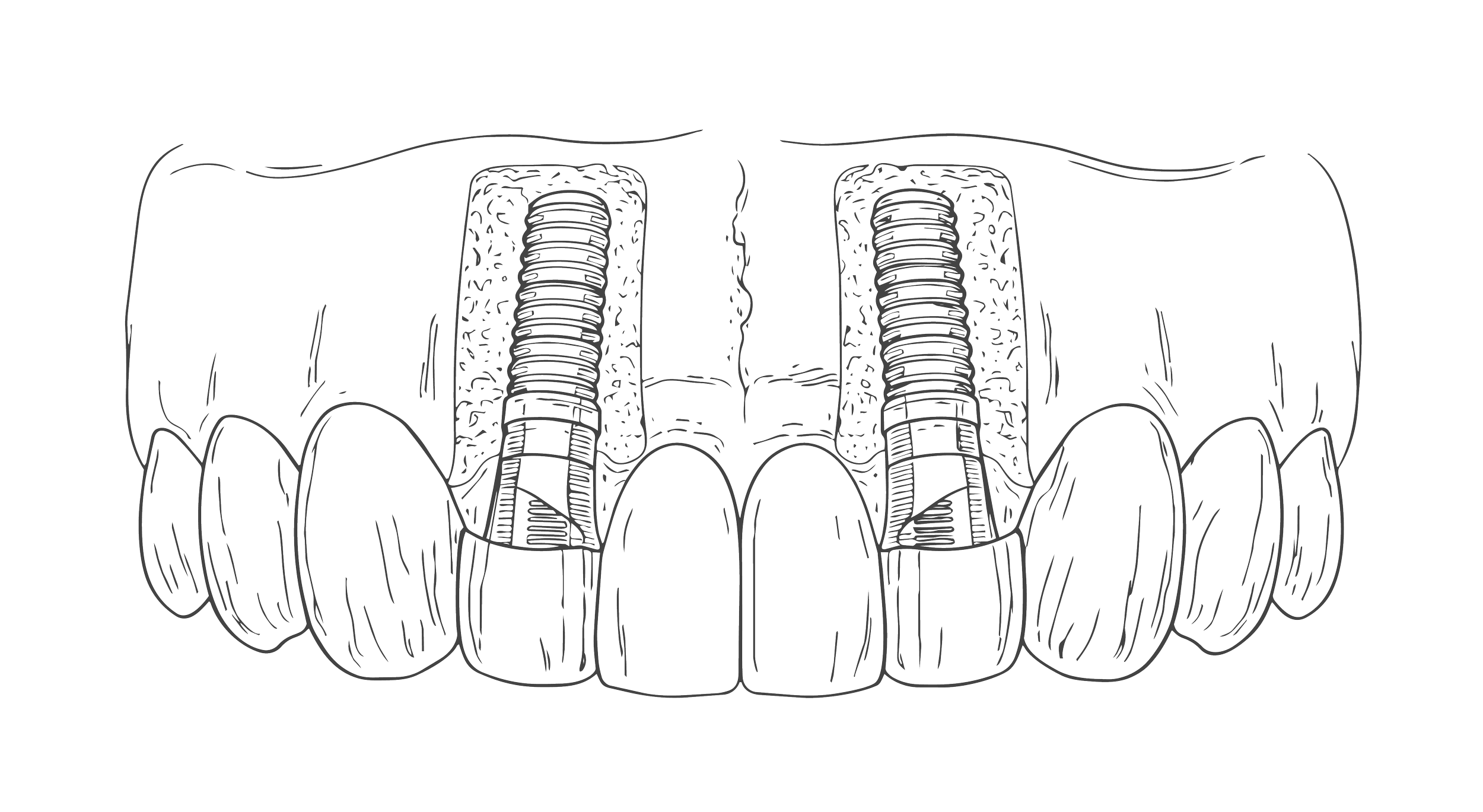
Options for replacing multiple teeth
Dental implants can support different types of restorations depending on how many teeth need to be replaced.
Single tooth replacement
A single implant can replace one missing tooth without affecting neighboring teeth.
Implant-supported bridges
Implants can support multiple teeth when several teeth are missing in the same area.
Implant-supported dentures
For patients missing most or all teeth, implants can anchor a full arch restoration that improves stability for eating and speaking.
Some implant dentures are fixed in place, while others can snap onto implants and be removed for cleaning.

Who may be a candidate for implants
Dental implants may be a good option if you:
Are missing one or more teeth
Want a stable alternative to dentures
Have healthy gums
Have adequate bone support in the jaw
Even if bone loss has occurred, additional treatment options may still allow implant placement. A consultation can determine the best solution for your situation. A consultation at our Deer Park office can help determine the best solution for your situation.
Caring for dental implants
Implants are cared for much like natural teeth.
• brush twice daily
• floss regularly
• attend routine dental checkups
• avoid chewing very hard objects
With proper care and regular dental visits, implants can remain healthy and functional for many years.
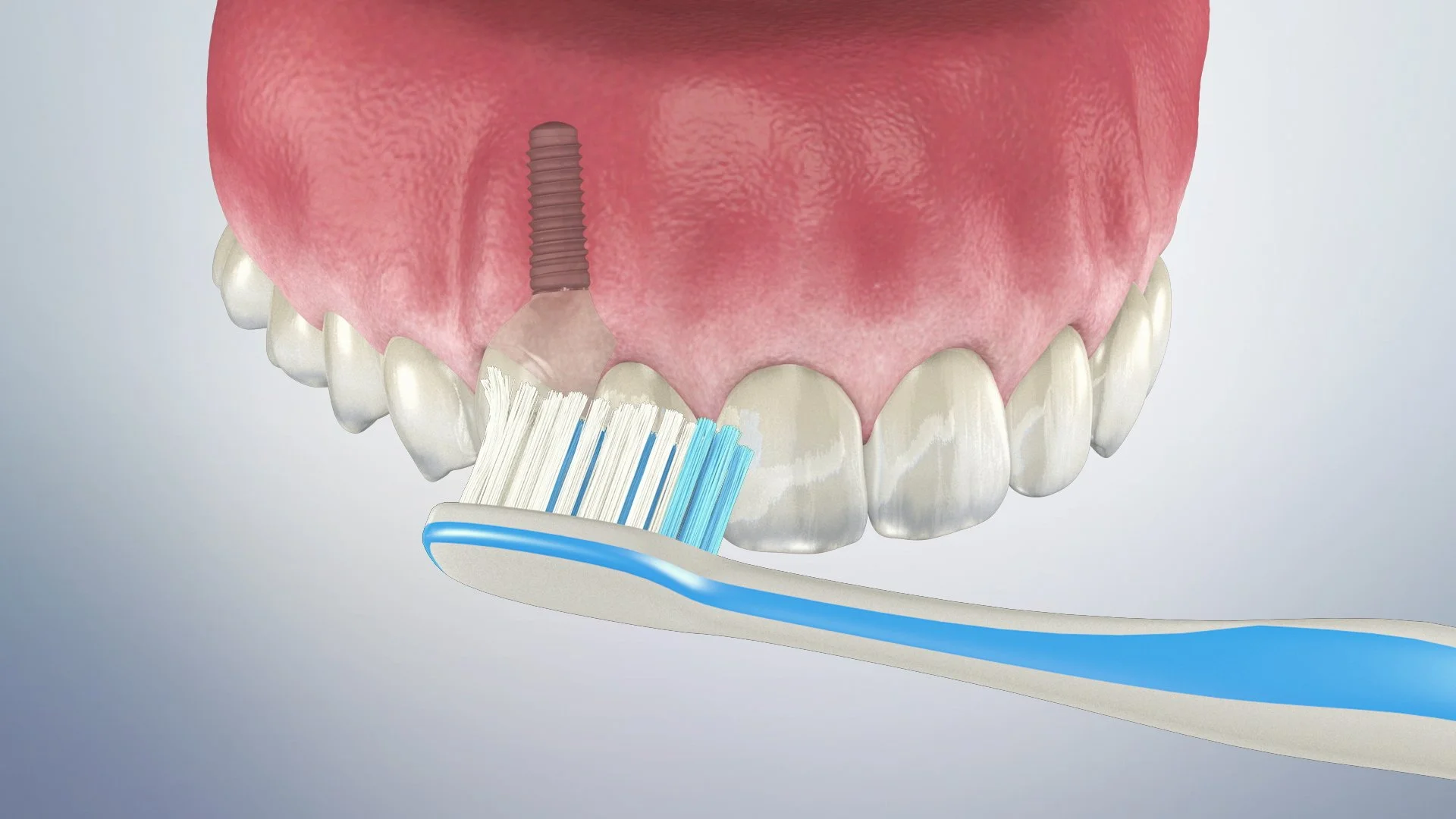
Caring for a dental implant
Patient Education Videos
Learn more about dental implants
If you would like to understand the implant procedure in more detail, visit our patient education library where we explain the treatment process, healing period, and implant-supported restorations.
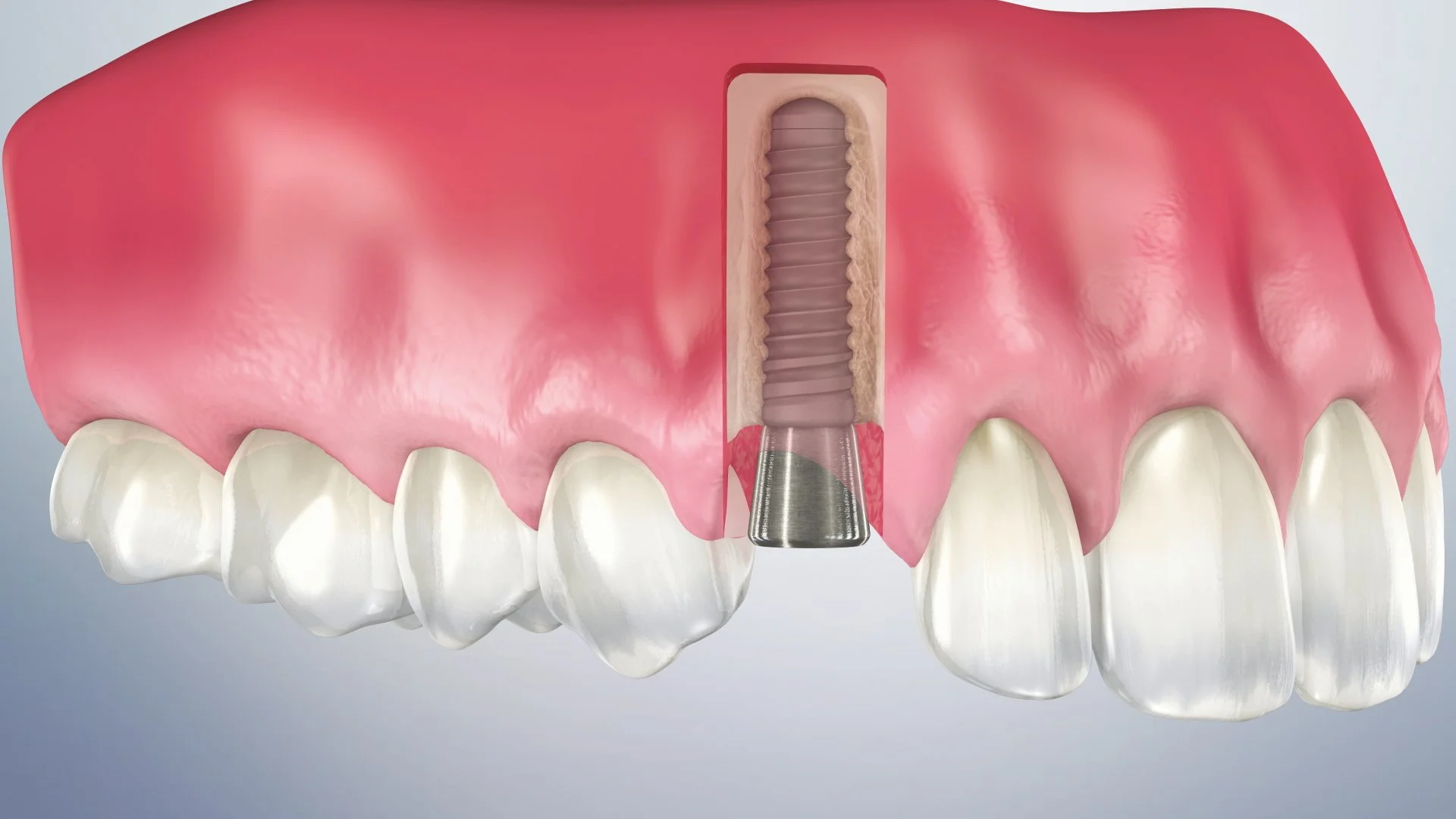
Single implant (Anterior- healing cap)
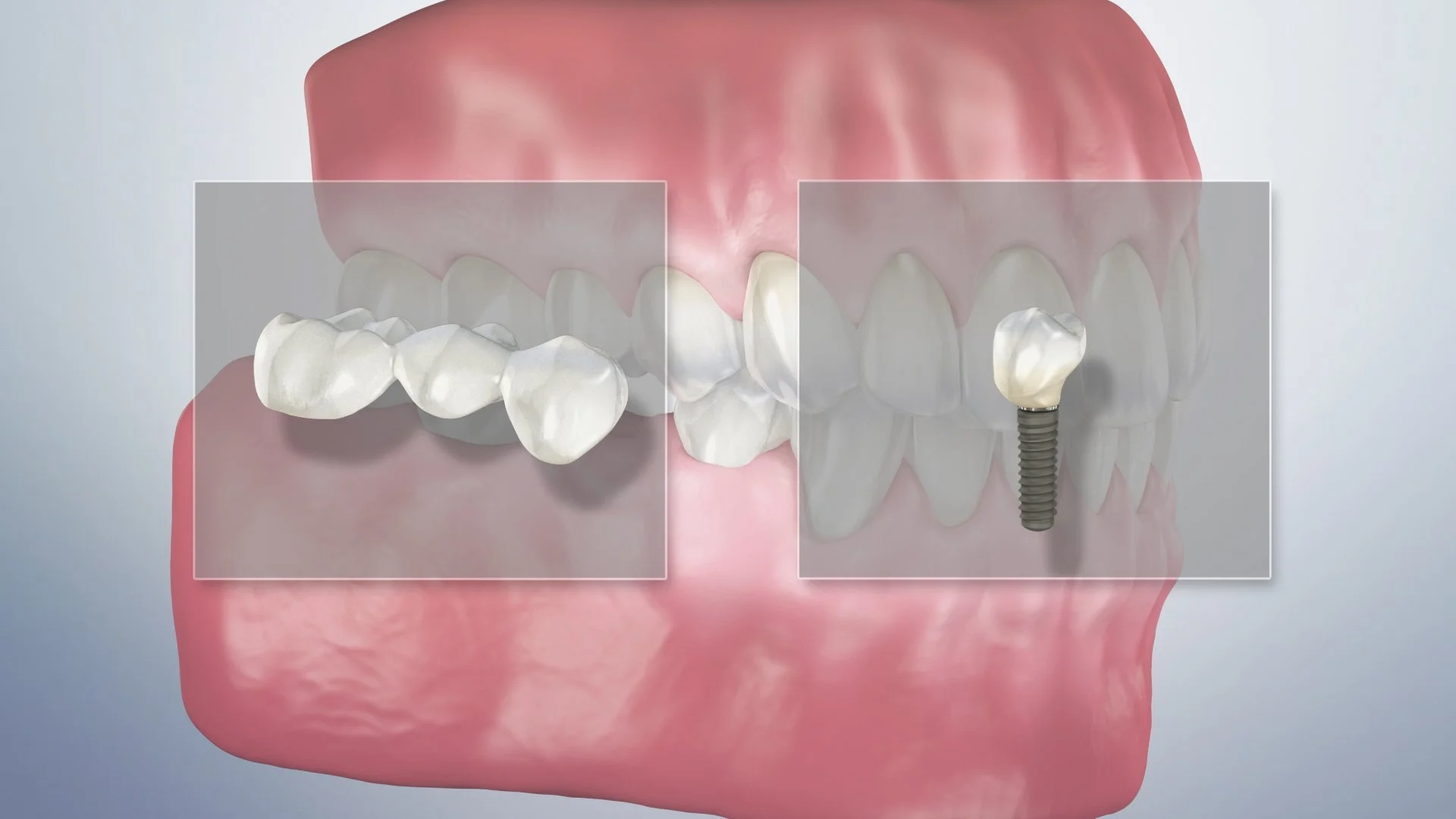
Bridge vs. implant
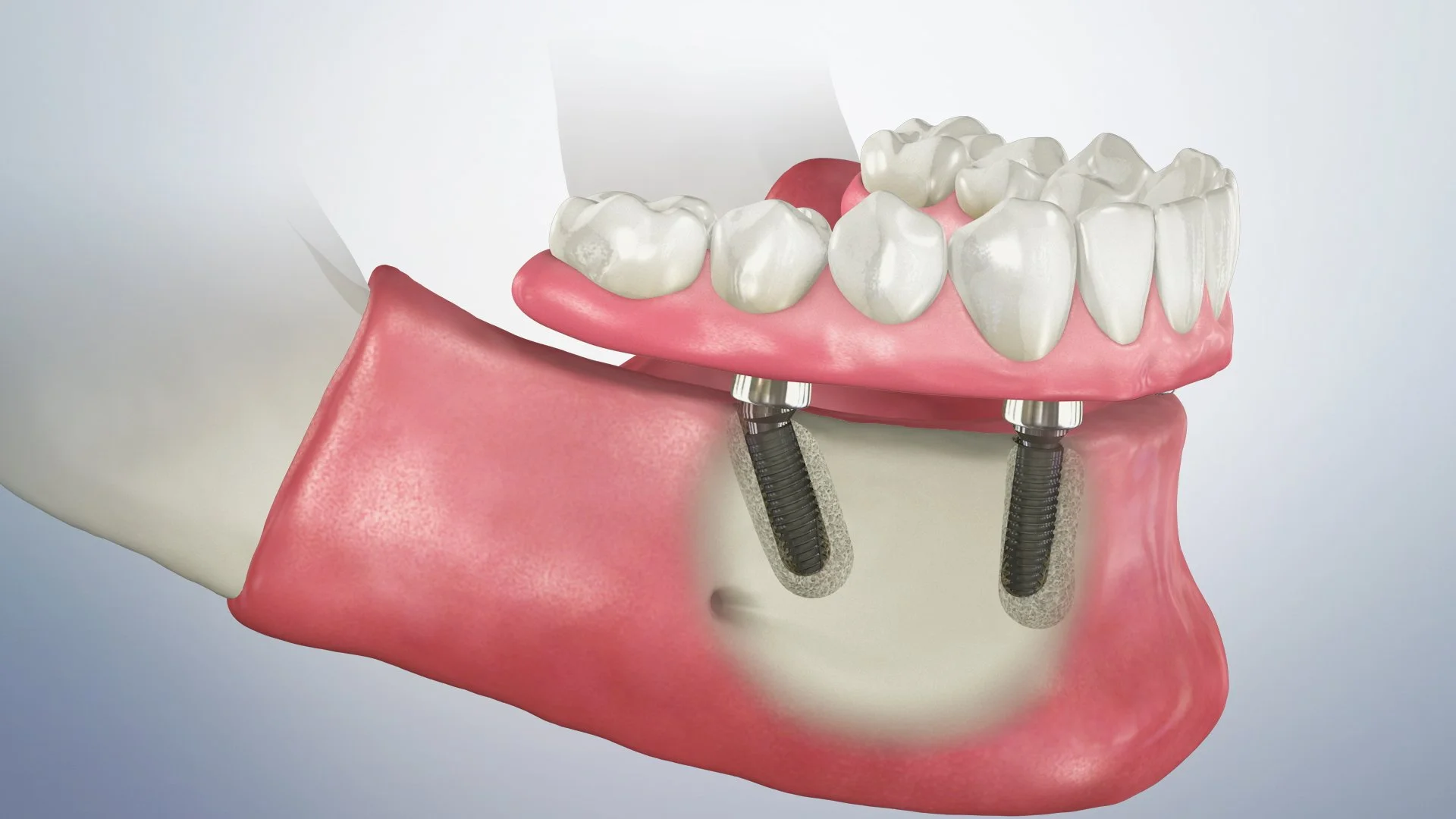
Fixed hybrid dentures
Take the next step toward a confident smile
At BatesDDS, we care for patients throughout Eastern Washington and North Idaho, including Deer Park, Spokane, Sandpoint, and Coeur d’Alene, who are looking for long-term solutions to restore their smile, oral health, and overall comfort.
Schedule a consultation to discuss your goals and learn what treatment is right for you.